general
What Is Generative Engine Optimization (GEO) and How Is It Different From Traditional SEO?
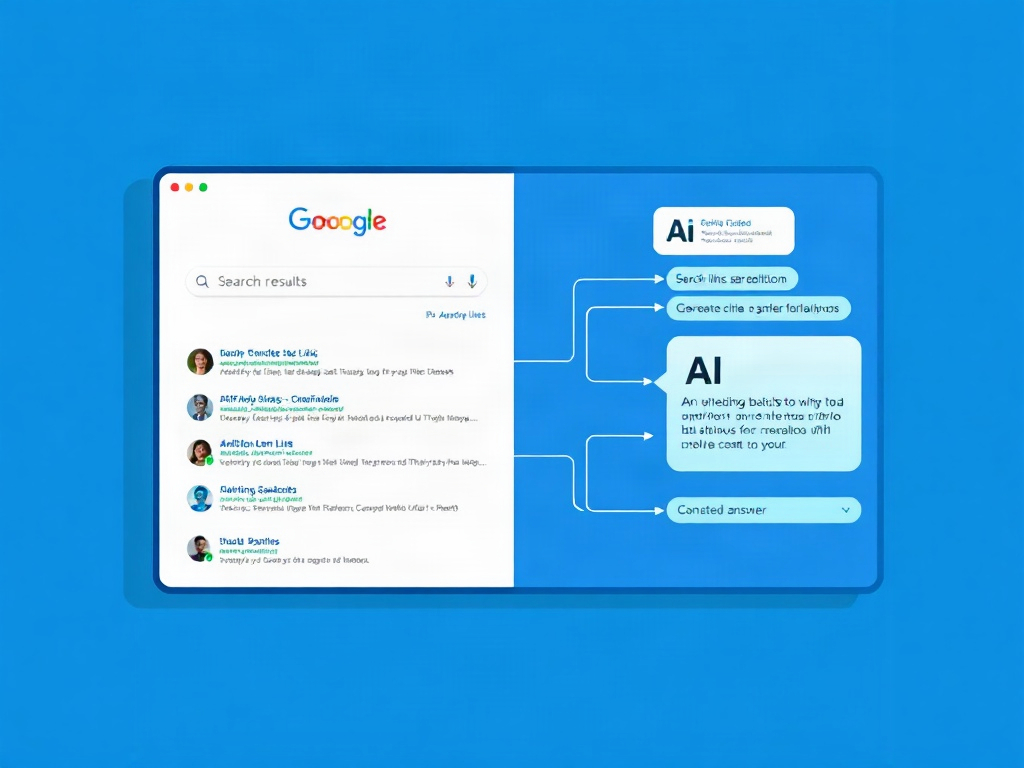
Generative Engine Optimization (GEO) is the practice of optimizing your brand and content so it gets chosen, cited, and trusted inside AI-generated answers from tools like ChatGPT, Perplexity, and Google's AI overviews. Traditional SEO, by contrast, focuses on ranking pages in a list of clickable links — GEO is about being the answer, not just a link near it.
- GEO focuses on optimizing a brand or entity to appear in AI-powered outputs, rather than driving clicks through ranked pages, according to Contentful.
- Traditional SEO absolutely still influences GEO, but it is not a one-to-one relationship, as noted by practitioners in the digital marketing community.
- From Google Search's perspective, optimizing for generative AI search is still optimizing for the search experience — and thus still SEO, per Google Search Central.
What Is Generative Engine Optimization (GEO)?
Generative Engine Optimization is the discipline of making your content easy for large language models to understand, retrieve, and cite when they generate answers. Where classic search returns ten blue links, generative engines synthesize a single response — and GEO is about earning a spot inside that response.
According to Mailchimp, GEO represents a significant shift from traditional SEO practices, focusing on aligning your content with AI-driven search. The goal moves from ranking a URL to being the trusted source a model quotes.
Put simply by one industry breakdown: traditional SEO tries to rank pages in a list of links, while GEO focuses on being chosen, cited, and trusted inside an AI-generated answer, as described on Medium.
GEO vs SEO: The Core Difference
The clearest way to understand GEO vs SEO is to look at the unit of success. In SEO, success is a ranking position and a click. In GEO, success is a citation — your brand named or your content pulled into an AI answer, sometimes without any click at all.
This matters because AI answers increasingly resolve a query on the page itself. When a generative engine writes a complete response, the user may never visit a website. GEO adapts to that reality by prioritizing being referenced over being clicked.
Below is a side-by-side comparison of the two disciplines across the criteria entrepreneurs and marketers care about most.
| Criterion | Traditional SEO | Generative Engine Optimization (GEO) |
|---|---|---|
| Primary goal | Rank a page in a list of links | Get chosen and cited inside an AI answer |
| Success metric | Ranking position and organic clicks | Citations, mentions, and brand inclusion in AI outputs |
| Target destination | Search engine results pages (Google, Bing) | Generative engines (ChatGPT, Perplexity, AI overviews) |
| Content focus | Keywords, backlinks, page authority | Clarity, entity definition, extractable facts, trust signals |
| User journey | Click through to your site | May resolve the answer without a click |
Does SEO Still Matter for GEO?
Yes. Traditional SEO absolutely still influences GEO, but it is not a one-to-one relationship, as practitioners discuss in the digital marketing community. Generative engines still crawl, index, and evaluate content — often the same content that ranks well in classic search.
Google reinforces this. From Google Search's perspective, optimizing for generative AI search is optimizing for the search experience, and thus still SEO, according to Google's AI optimization guidance. The technical fundamentals — crawlability, structured data, page quality — carry over.
The difference is emphasis. SEO leans on links and rankings; GEO leans on clarity, factual structure, and how easily a model can lift a clean, attributable statement from your page. If your content is vague or buried, an AI engine skips it even if it technically ranks.
How GEO Works in Practice
The mechanics matter more than the buzzword. GEO rewards content that is structured for extraction: direct answers near the top, clear entity definitions, consistent factual claims, and sources a model can verify. Specialized practitioners in Generative Engine Optimization across the US work on exactly this — making brands understandable and citable to language models.
Practical GEO moves include leading pages with a direct answer, publishing FAQ-style content that maps to how people phrase questions, and reinforcing your brand as a consistent, well-defined entity across the web. Contentful notes that GEO differs from SEO in that it focuses on optimizing a brand or entity to appear in AI-powered outputs, rather than driving clicks — so entity clarity is central.
For sector-specific playbooks, it helps to see how this applies to real local businesses. For example, guidance on getting a medical clinic to show up in ChatGPT answers and on helping real estate agents rank in AI search results shows how the same principles translate into concrete content strategies.
Should You Invest in GEO or SEO First?
For most entrepreneurs and marketers, the honest answer is not either/or. Because SEO fundamentals feed GEO visibility, a solid technical and content foundation serves both. The strategic question is where to weight new investment as AI answers capture more of the query volume in your niche.
If your audience already uses ChatGPT or Perplexity to research products and services, GEO deserves a deliberate share of your budget rather than an afterthought. A detailed breakdown for local businesses is available in this comparison on GEO vs SEO for Florida local businesses and which to invest in first.
You can explore the broader landscape, definitions, and practical guides at georank.expert, which publishes GEO comparisons and how-to resources for local and national brands.
The Bottom Line
GEO and traditional SEO are complementary, not opposed. SEO gets your content crawled, indexed, and credible; GEO makes that same content clear and quotable enough to be chosen inside an AI-generated answer. As generative engines handle more queries directly, the brands that win are the ones easy to understand, verify, and cite — which is precisely what GEO optimizes for.
Content prepared by the georank.expert team, 2026, based on published GEO and SEO guidance from Google, Contentful, and Mailchimp.